





As a variety of institutions face growing pressure to balance member expectations with tight budgets, facility leaders are taking a closer look at a major, yet often underutilized asset: the swimming pool.
For years, universities, park districts, and military bases were forced to choose between two extremes: outdoor pools that sat empty for half the year, or indoor natatoriums that cost a small fortune to build, heat, and maintain. Today, that old model is changing. Decision-makers are adopting a far more flexible, strategic approach to aquatic design that prioritizes the people who use the pool as much as the bottom line.
Rethinking year-round value
Nationwide, facility directors across different industries are feeling the push to extend the outdoor swimming season beyond the warm summer months. Their swimmers want year-round access for more competitions, training exercises, water safety courses, and open recreation.
At the same time, decision-makers are changing how they evaluate the cost of these facilities. Instead of focusing only on the initial build price, leadership teams are looking at the total lifecycle value. That means weighing long-term energy bills, routine maintenance, staffing demands, and the hidden cost of weather cancellations against the user experience and operational effectiveness.
Because building a brand-new indoor facility from scratch can be cost-prohibitive, many institutions are choosing to upgrade and adapt the outdoor pools they already have. Extending the usable season of an existing facility isn't just about adding more swim days to the calendar; it’s about harnessing every bit of value from a major facility resource and providing reliable access to those they serve.
Real world challenges
Of course, making these upgrades isn't always simple. Capital budgets are tight, and unpredictable weather poses a constant threat to outdoor scheduling. Sudden storms, extreme heat waves, or cold snaps can disrupt lessons, practices, and staff jobs without notice.
On the flip side, going the traditional indoor route brings its own headaches. Heating, cooling, dehumidifying, and ventilating a large indoor pool can strain operational budgets for decades. Add in tight real estate footprints, aging infrastructure, accessibility requirements, and complex permitting, and a few simple upgrades can start to feel overwhelming very quickly.
That’s why adaptability has become so important. Instead of locking a facility into a single function or rigid operating schedule, planners are looking for ways that will allow their spaces to evolve with changing weather, the needs of their community, and multi-use demands over time.
Smart strategies for modern facility design
If you're planning an aquatics project today, industry leaders recommend starting with a simple question: what does this space actually need to accomplish? Starting with clear goals rather than a specific building type keeps options open and helps protect long-term investments. Here are a few strategies that forward-thinking institutions are using to make the most of their aquatic spaces:
- Prioritize Lifecycle Economics: Factor energy use, staffing needs, and operational downtime into early planning to prevent financial surprises 10 to 20 years down the road.
- Bring Specialists in Early: Involve architects, engineers, and specialized structure providers early in the process to ensure that site constraints, ventilation needs, and codes are fully accounted for before major design decisions are locked in.
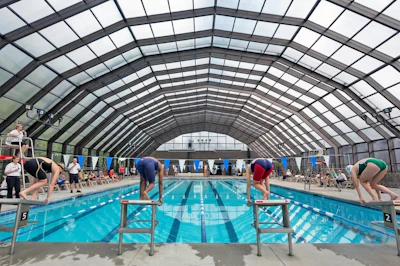
- Embrace Adaptable Solutions: One of the most effective approaches is adding a retractable structure to a pool space. These systems allow a facility to act as a fully enclosed, heated space during cold or stormy months, then open back up into a traditional outdoor pool when the weather is favorable — even multiple times in the same day. Swimmers get to enjoy the freedom of the outdoor environment without the facility having to unexpectedly close for inclement weather.
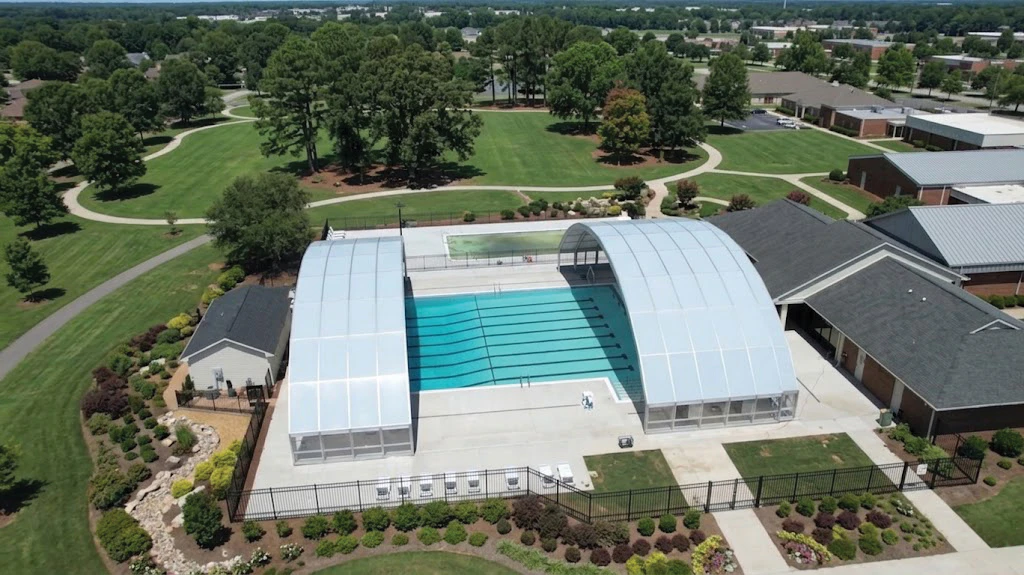
At the end of the day, pools are being reimagined as dynamic, long-term investments rather than seasonal luxuries. By focusing on flexibility and smart design, institutions can keep their pools open longer, run more programs, and get the most out of every dollar invested.
To learn more about how a retractable structure could be a fit for your facility, visit dynadome.com or call (219) 663-2920.