





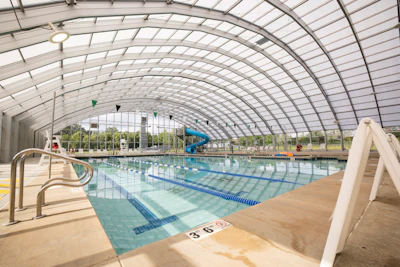
Facility operators at YMCAs, municipalities, and educational institutions face growing pressure to provide year-round access to outdoor recreational spaces. Meeting this demand requires capital investment during a challenging economic climate marked by high capital costs, rising construction expenses, and inflated energy bills.
When upgrading or enclosing an aquatic facility, operators typically evaluate three paths: a traditional brick-and-mortar build, an air-inflated structure, or a retractable structure. Evaluating these options requires balancing upfront capital expenditure against long-term operational expenditure, facility downtime, and member experience.
Evaluating the options
- Brick-and-Mortar New Build: Traditional indoor natatoriums offer permanent, year-round operation but require massive initial capital, lengthy construction timelines, and extended downtime. Operationally, fixed facilities demand continuous heating, cooling, and high-capacity dehumidification. Indoor pools also frequently suffer from dark, cavernous atmospheres and poor indoor air quality due to chloramine buildup.
- Air-Inflated Structure: Air domes offer a low initial cost, making them appealing short-term solutions. However, their operational profile introduces considerable long-term liabilities. These structures require continuous blowers running 24/7, leading to steep utility bills. They also call for recurring labor to install and dismantle them, annual compliance permits, and full fabric replacements every seven to 10 years.
Retractable Structure: A retractable enclosure, such as DynaDome, provides an indoor pool experience with outdoor flexibility, converting from open to closed as needed in seconds. By leveraging natural air and sunlight, these structures eliminate the need for 24/7 blowers, and heavy dehumidification, delivering maximum energy efficiency and long-term reliability.
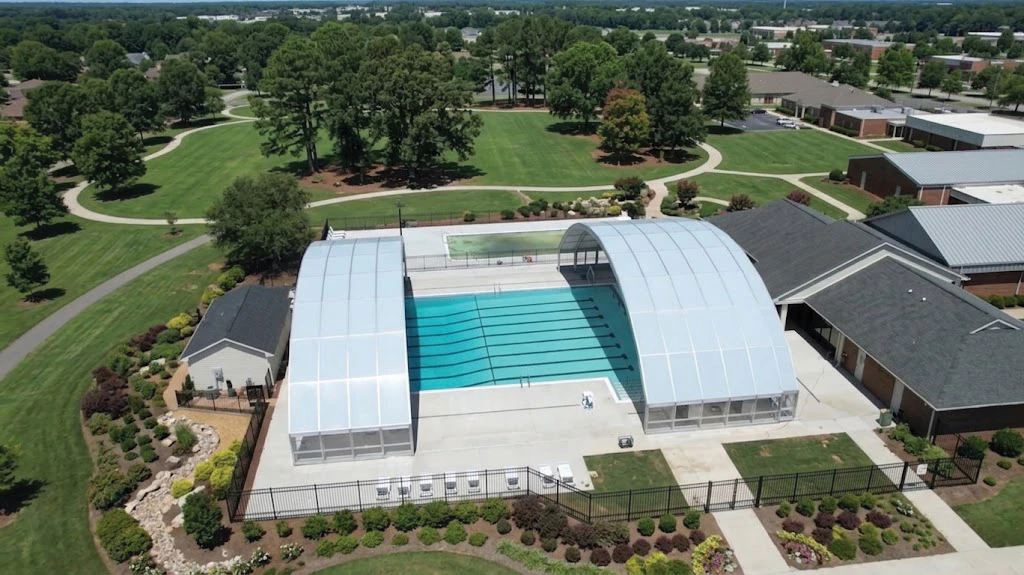
20-year operational analysis
Understanding the total cost of ownership is critical during the planning phase. While brick-and-mortar buildings offer long-term durability, they carry the highest upfront price tags, frequently costing millions of dollars. To maintain comfortable temperatures and air quality, fixed structures depend on continuous climate control and heavy dehumidification, resulting in substantial utility bills and maintenance expenses. By contrast, retractable structures require a fraction of these construction costs while significantly lowering long-term operating overhead.
When comparing an air dome to a retractable structure over a 20-year period for a standard 6-lane, 25-meter pool, a stark contrast emerges:
- Initial Capital Expenditure: Air domes offer the lowest initial entry cost, but brief lifespans of seven to 10 years require multiple full replacements, driving up cumulative capital costs over time.
- Ongoing Operational Expenses: Air-inflated structures create heavy recurring expenses driven by inflation blowers, seasonal labor, annual permits, and high energy demands.
- Long-Term Efficiency: Retractable structures operate far more efficiently by harnessing natural light and solar heat gain.
Combining initial capital outlay with 20-year operational costs, an air dome has a total financial commitment of roughly $3.7 million, compared to approximately $2.5 million for a retractable structure. A retractable enclosure slashes 20-year operating expenses by over 70%, delivering more than 48% in total cost savings over two decades.
Biophilic design and the guest experience
Incorporating natural elements into architecture is far more than an aesthetic choice. Studies show that biophilic design, or integrating natural light and fresh air into built environments, supports human biology, mental well-being, and workout performance.
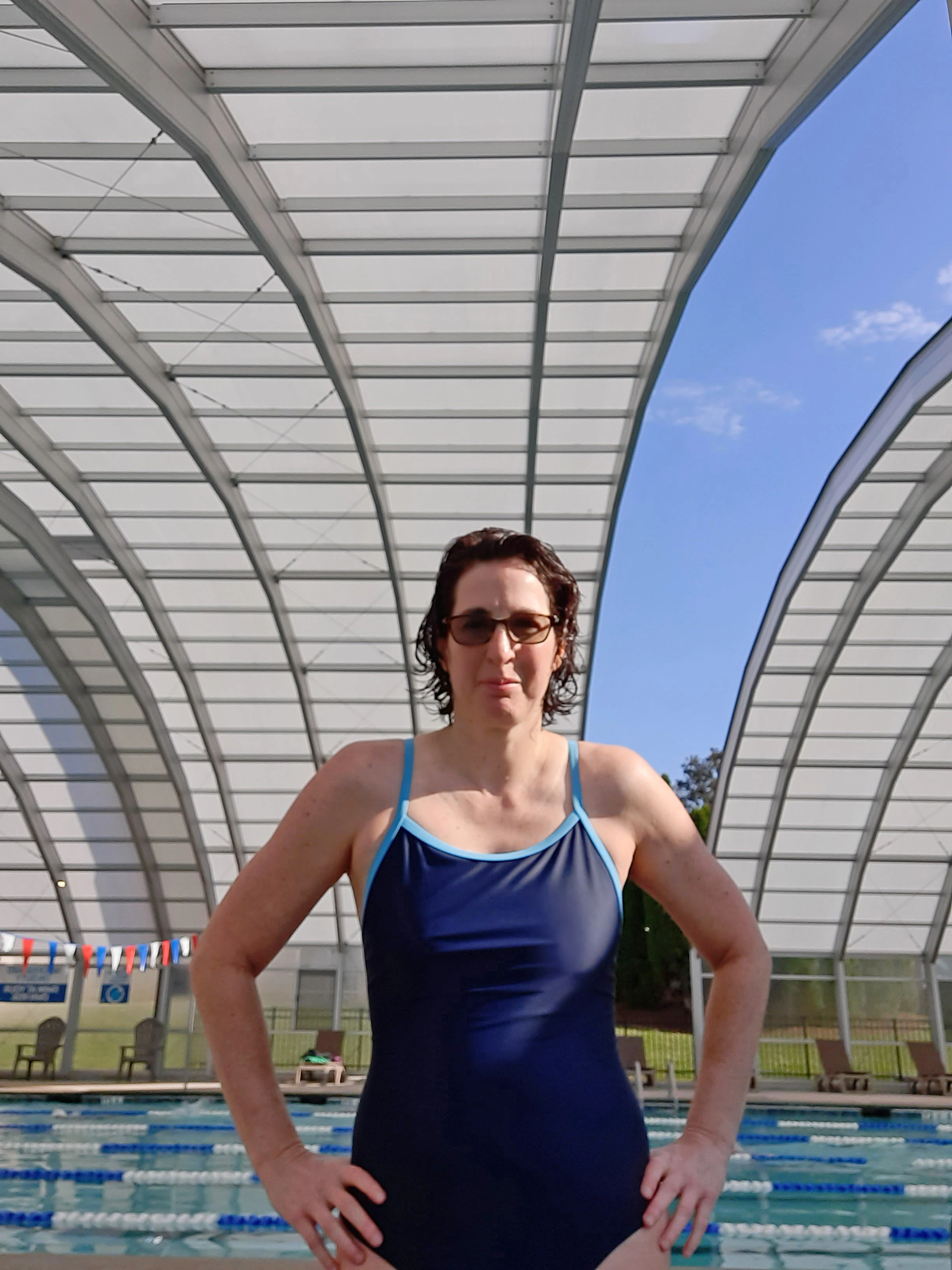
Conventional indoor pools and air domes often contend with dark spaces and harsh chemical odors. In comparison, a retractable structure built with translucent and transparent polycarbonate panels floods spaces with natural daylight, creating an inviting, resort-like atmosphere with panoramic views.
The real-world impact on member satisfaction is clear. "I swim at Caine Halter year round, as cold as 25 degrees, and last July as hot as 105. The DynaDome keeps the outdoor pool perfect at both extremes and all temperatures in between. The water temp is always around 80," shared Stephanie Carta, a member at the Caine Halter Family YMCA in Greenville, S.C. She added, "In the summer, I especially appreciate that both ends of the pool are in the shade, even with the roof fully open. The dome is a marvel!"
Making the long-term choice
Selecting the right upgrade path is an exercise in total cost of ownership. While air-inflated structures appear budget-friendly upfront, their short lifespans and heavy operational burdens make them costly over time. Traditional brick-and-mortar builds carry massive initial price tags and extended construction delays. A retractable structure provides a durable, low-maintenance asset that lowers operating expenses, elevates member experience, and safeguards long-term financial health.
To learn more about how a retractable structure could be a fit for your facility, visit dynadome.com or call 219.663.2920.