





Long before he was elected mayor of Russellville, Arkansas, Fred Teague voluntarily spent 30 days living on the streets as a homeless man, not as a publicity stunt, but to better understand the challenges facing some of his community's most vulnerable residents. That experience shaped a leadership philosophy he continues to embrace today: improve people's lives by investing in projects that strengthen the community.
Since taking office in 2023, Teague has championed initiatives ranging from downtown revitalization and flood mitigation to parks and public spaces, all centered around a simple belief he calls "Quality Life, Quality Place." Sustainability, economic development and responsible stewardship of taxpayer dollars have become guiding principles of his administration, with Sara M. Jondahl, AICP, CFM, Director of Sustainability and Resilience, helping integrate those priorities into the City's long-term planning.
"We've built our administration around one simple philosophy: Quality Life, Quality Place," said Mayor Teague. "If we create great parks, great public spaces and outstanding recreational facilities, we're not only giving our residents a better place to live we're creating destinations that attract families, youth sports tournaments and new economic activity. Those investments pay dividends far beyond the playing field."

That philosophy was reinforced during the National League of Cities Summit in Salt Lake City in November 2025, when Teague stopped at the NGU Sports Lighting booth to learn about Performance Lighting Delivered (PLD), an innovative infrastructure procurement model.
"When we met Mayor Teague and discussed PLD, the conversation quickly moved beyond sports lighting," said Tony Saraceni, President, Market Development for NGU Sports Lighting. "He immediately recognized it as an infrastructure solution that aligned with Russellville's sustainability goals and desire to move quickly. He understood this wasn't just about replacing lights; it was about finding a smarter way to deliver projects for the community."
The concept solved a challenge familiar to many municipalities. Because Russellville does not have a permanent sales tax, Arkansas law limits the City's ability to finance large capital projects through traditional long-term borrowing. That often forces communities to delay projects, complete them in phases or wait until sufficient capital is available.
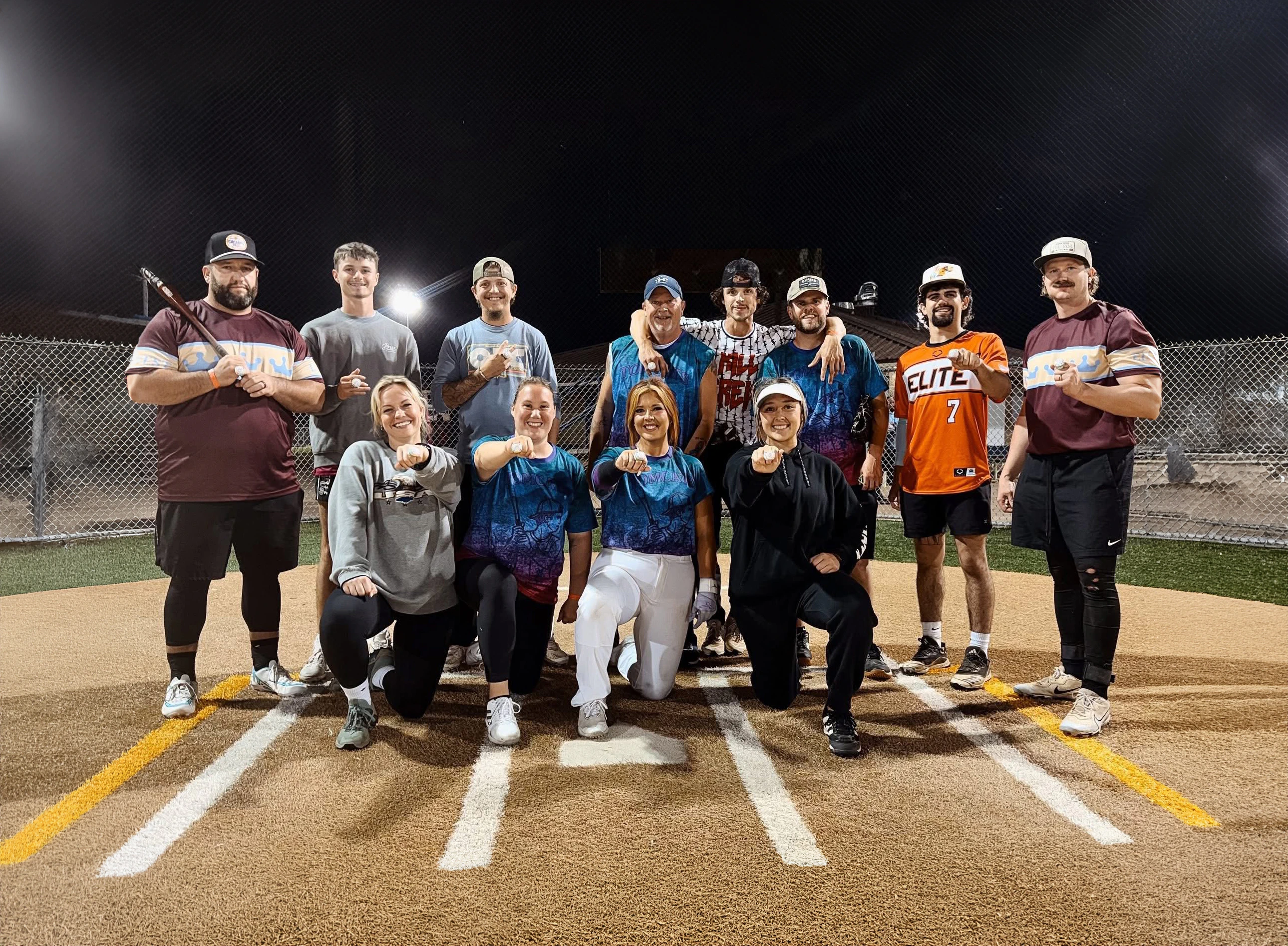
PLD offered a different path. Structured as an operating expense rather than a traditional capital purchase, it enabled Russellville to preserve its financial flexibility while modernizing all three parks simultaneously. Instead of making a significant upfront investment and assuming long-term ownership and maintenance responsibilities, the City pays a predictable monthly service fee, allowing improvements to move forward immediately while better aligning costs with its annual operating budget.
"Performance Lighting Delivered allowed us to accomplish something we couldn't have done through a traditional capital project," said Teague. "Instead of upgrading one park at a time over several years, we were able to modernize all three parks at once while paying a predictable monthly fee that fit our budget. That changed everything."
For Teague, the value extended beyond financing. The City wanted every athlete, coach and tournament visitor to experience the same high-quality facilities, not a system where one park was modernized while others waited years for improvements.
"When families travel to Russellville for a tournament, every park should reflect the same standard of excellence," said Teague. "PLD gave us the opportunity to deliver that experience all at once instead of one park at a time."
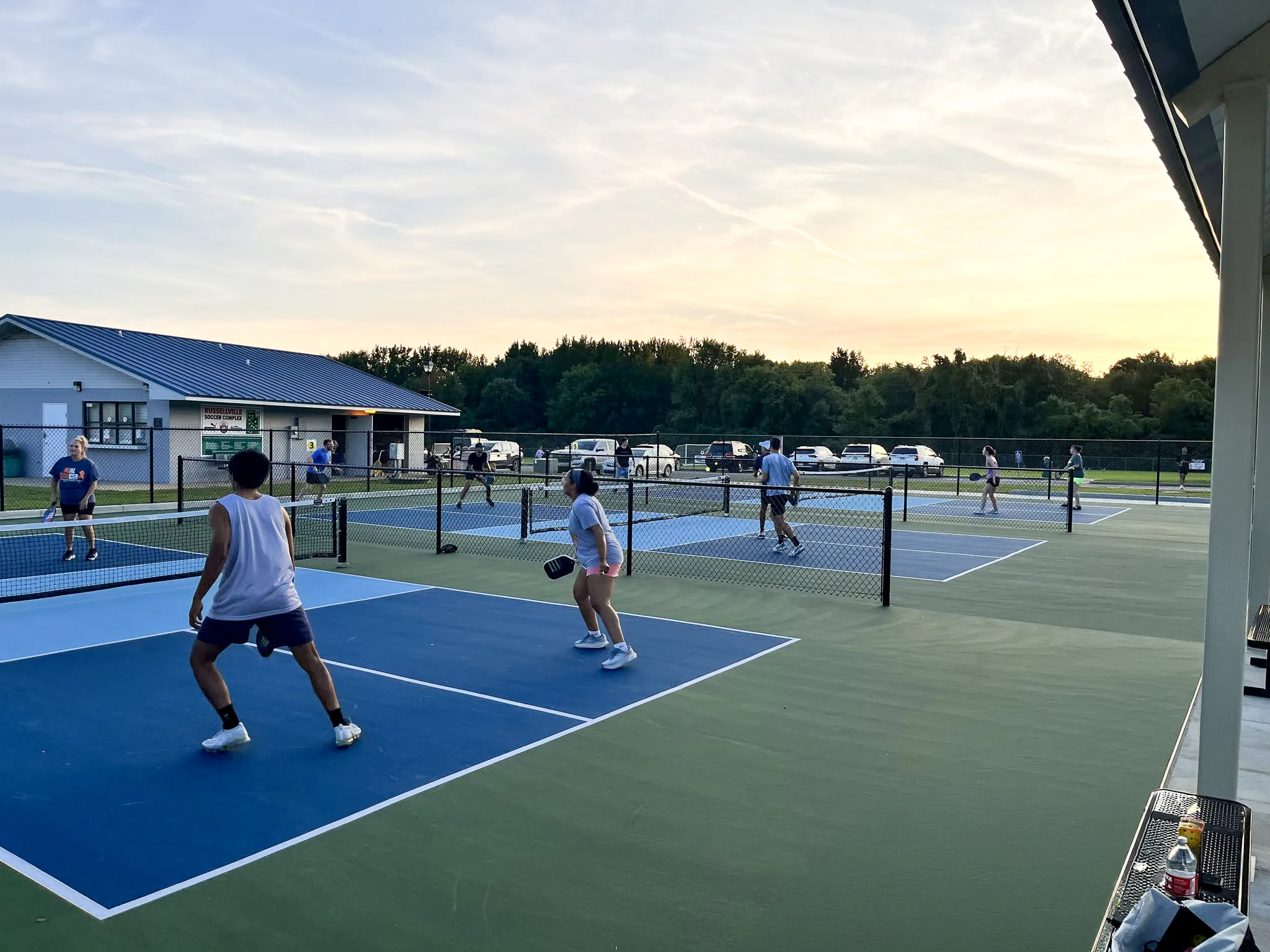
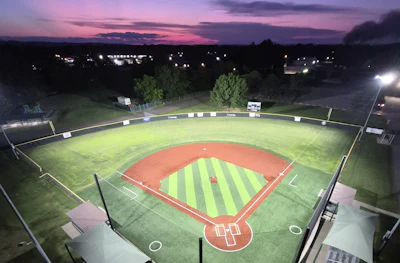
From the initial conversation at the National League of Cities Summit to completion just six months later, Russellville modernized the lighting systems at Pleasant View Park, M.J. Hickey Park and Shiloh Park by replacing 500 aging 1,650-watt HID sports lighting fixtures with 426 state-of-the-art 724-watt LED fixtures to illuminate the 13 baseball/softball fields. Based on engineering estimates, the project reduced the connected lighting load from approximately 825,000 watts to just over 308,000 watts, a reduction of more than 516,000 watts, or nearly 63 percent, while providing brighter, more uniform lighting, advanced controls and shifting long-term maintenance responsibilities from the City to NGU.
Assuming approximately 1,000 annual operating hours per fixture, local utility rates and standard engineering assumptions, the modernization is projected to reduce annual electricity consumption by up to 516,000 kilowatt-hours while generating an estimated $127,000 in combined annual energy, demand and maintenance savings. Over ten years, those savings could exceed $1.27 million, demonstrating how innovative procurement can help communities modernize infrastructure while maximizing taxpayer resources.
For NGU Sports Lighting, Russellville represents exactly what the company envisioned when it created Performance Lighting Delivered.
"Russellville is the story we hoped we'd someday be able to tell when we launched Performance Lighting Delivered," said Saraceni. "We envisioned working with leaders who measured success by the impact they could make, not by how projects had always been done. Mayor Teague and his team had the vision to see that PLD could help them move faster, invest more strategically and deliver meaningful improvements for their residents."