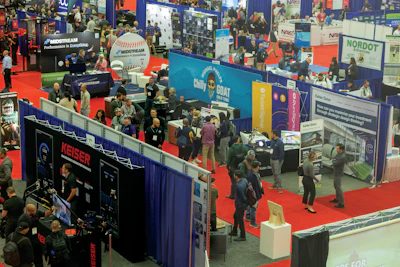
You attend a conference such as AB Show 2025. You get inspired. You scribble notes. You say things like, “We’re totally doing that when we get back.”
Then you get back, and reality hits: emails, staff meetings, facility hiccups and member issues — all waiting for you upon your return. Before long, those bold ideas from the educational sessions, the expo floor or that killer keynote start gathering dust. It’s not that they weren’t great. It’s that you never had a real plan to bring them to life. You go right back to working in your organization and never take the time to work on your organization.
We’ve all been there. I’ve been guilty of it, too. But over time, having run my own clubs and now consulting with others, I’ve learned what it really takes to convert conference energy into meaningful change. In the past, I’ve written about preparing for events like AB Show and how to network effectively while attending. What follows picks up where those articles left off: How to make sure the experience pays off when you return home.
1. Filter first
Not every good idea is your good idea. After a great event, it’s easy to feel like everything you saw or heard needs to be implemented, but not every new concept is the right fit.
When I attended AB Show years ago, I came back with a binder full of notes, flyers and plans. I wanted to try everything — from new scheduling software to adding boutique-style programming to getting brand-new cardio equipment. Once I returned to day-to-day operations, I realized that most of those ideas didn’t align with our culture or were unrealistic given our space, staffing or budget.
The better move? Step back and use the FIT filter:
• F = Feasible – Can we actually pull this off with the time, money and staff we have?
• I = Impactful – Will this solve a real problem or elevate member experience?
• T = True to us – Does this align with our mission and priorities?
If it doesn’t pass the FIT test, archive it for later. Prioritize one or two ideas that do. Focus is what leads to wins.
2. Pick one thing and own it
Once you’ve filtered your ideas, choose one to focus on. Not three. Just one. One of the most important lessons I’ve learned is that momentum starts with focus. It’s better to execute one thing fully than to halfway execute five.
After one AB Show, I was fired up about improving customer experience. Today, that’s one of our specialties at The Empower Group, and I’ve been fortunate to share our strategies with organizations all over the world. However, back then, I attempted to overhaul everything: training, onboarding, signage and policies. Our team was overwhelmed, and nothing seemed to stick.
The following year, we took a different approach. We chose one focus: greet every member by name. That was it. We rolled it out with clear expectations, practiced it in meetings, tracked progress and celebrated wins. And it worked. It became part of our culture and drove measurable improvements in satisfaction and retention.
Pick one thing. Make it visible. Assign ownership. Follow through.
3. Bring your team along early
You might come back from the conference fired up, but your team wasn’t there. They didn’t hear the speaker, see the demo or feel the energy. That experience gap makes buy-in harder for those who missed out. When possible, bring team members with you. If that’s not feasible, bring them into the process as soon as you return.
At one AB Show, I discovered a heart rate training system that could transform our workouts. I rushed to roll it out, but I got pushback. The team didn’t see what I saw. The following year, I brought back videos, stories and context. I shared what excited me and then asked for their ideas. They helped shape the rollout, design the integration and market it to members. That made all the difference. It worked because it became our project, not just my idea gleaned from all the things I had been exposed to firsthand at the show.
When people help build the plan, they’re far more likely to support it.
4. Build in deadlines and checkpoints
Ideas fade. Urgency disappears. Without accountability, nothing happens.
For several years, we headed to AB Show excited by the prospect of launching a small-group training program. We’d attend sessions, review equipment, brainstorm integration and then — upon returning home — nothing. We never had clear next steps or accountability.
Eventually, we changed our approach. We committed to one version of the program and stuck to our mantra: Who does what by when? We identified who would build the schedule, train the team, handle logistics and set a launch date. We tracked progress on a weekly basis and adjusted as needed. That shift transformed years of good intentions into a tangible program, and it became a valuable part of our offerings.
Don’t let your ideas live and die in a notebook. Assign them. Schedule them. Follow up. Execution matters.
Bonus tip: Don’t sleep on the small stuff
Yes, big ideas are exciting. However, some of the best takeaways are the small ones — the little things that don’t require much time or money but still make a significant impact.
At one show, I heard industry legend Brent Darden say that leadership is like being a “stagecoach.” You’re always on stage, people are always watching and you’re always coaching. That simple concept changed how I approached leadership. It didn’t cost anything, but it made a difference in how I showed up every day.
As you attend conferences, keep a list of “quick wins.” Jot down things that take minutes to implement. Maybe it’s moving a bench near your entrance to improve the flow of foot traffic. It could be adding a small sign at your front desk that answers a question you hear repeatedly. You might change the tone of a single sentence in your welcome email to sound more inviting, or take five minutes to update a few outdated photos on your website that no longer reflect your space.
These small steps build momentum, and momentum creates change.
Attending an industry conference such as AB Show can be a powerful spark, but it’s what you do afterward that determines whether it’s just a fun trip or a meaningful turning point for your organization. I can personally attest to this, having attended and presented at conferences across various industries worldwide for nearly two decades. Filter what fits. Focus your energy. Bring your team with you. Build systems to follow through.
The best ideas aren’t the ones you write down. They’re the ones you actually implement.