No one wants to talk about it, because to do so feels uncomfortable and paranoid. As a result, many facility owners and operators ignore it until an incident forces their hand.
The topic? Security.
When we opened our first facility, we did not think we needed security cameras. Our gym was family-friendly, community-focused, fun and welcoming. What could go wrong?
And then a member punched a treadmill screen so hard it shattered. I assumed he did not like the show he was watching. Another member witnessed it and reported it to us but would not tell us who it was. Our staff did not see it. We had no way to know who destroyed our equipment. I suddenly realized we had a potentially violent member in our facility, and we could not identify that individual. It did not matter that our gym was friendly and welcoming. We still had a problem.
Here’s the truth. These incidents happen more often than you realize. They happen at facilities just like yours in the form of equipment misuse and abuse, unauthorized locker room recording with cellphone cameras, and other suspicious behavior. Honestly, absolutely crazy stuff can happen in any given gym — the kinds of things that sound made up when you hear the story. But they do happen.
Most of it could have been prevented with basic security policies and staff attention. You cannot prevent every incident, but you absolutely can prevent many of them with intentional policies, staff training and basic infrastructure. You do not need to be paranoid. You just need to be intentional. This is about protecting the community you have built.
Here are four steps you can take to secure your facility.
1. Build the infrastructure
At an independently owned gym in Jacksonville, Fla., multiple women had their cars broken into while working out. Thieves smashed windows, stole valuables and maxed out credit cards before victims could cancel them. The police report noted the gym had no security cameras covering the parking lot. That gap allowed the crimes to happen.
Facility design matters. You can have a beautiful space with blind spots, corners you can’t see around and small areas tucked away out of sight. Most facilities cannot redesign from scratch, but you can optimize what you have by moving equipment to open sightlines and creating visibility where there was none.
Most facilities should have cameras now. The technology is cost-effective and accessible. The key is making sure they are focused on the right areas. I consulted at a facility with cameras in the weight room, but they had a big blind spot in the corner where all the free weights were stored. That is where incidents happened. That corner was never captured. Cameras without proper positioning are almost useless.
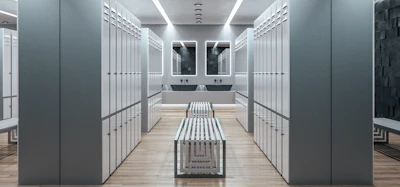
If you have unstaffed hours, camera placement becomes even more critical. For obvious privacy reasons, you can’t put cameras inside a locker room, but placing them outside the locker room entrance, so you can see who has entered or exited and when, can be very helpful should something transpire inside.
Walk your entire facility and identify blind spots. Check locker rooms, back hallways, equipment corners, storage areas and parking lots. Do this before and after each renovation. Design your spaces so staff can see activity, and make it standard for staff to be visible throughout the facility. Members should see that staff are present and paying attention. That presence represents security.
2. Communicate expectations
At a major urban YMCA in Brooklyn, N.Y., a woman spent six weeks stealing from unlocked lockers in the women’s locker room. She took six victims’ wallets, debit cards, credit cards and identification. The thief also stole one victim’s gift card with a $438 balance and used the stolen credit cards to make expensive purchases. Members were shocked. Nobody had told them they needed to secure their belongings. One victim said she felt safe leaving her locker unlocked because “I just figure people have integrity.”
We experienced something similar at our gym. Again, we had the most family-friendly, fun community gym where everyone felt safe and happy. And then someone stole something from a locker. The reality is you can never know with absolute confidence who is in the building. You never know what somebody is going to do. Even in a great environment, security matters.
Here is what you need to communicate to members. First, always lock your locker — no exceptions. Second, never leave valuables unattended anywhere on the premises, including on the gym floor or visible in your car. Third, report suspicious activity or anyone who does not belong in the building to staff immediately. You cannot control who walks through your doors, but you can make it clear that members share responsibility for staying safe.
How do you communicate these points effectively? Use new member packets and emails. Create clear, clever signage that gets the message across without being harsh. Make sure knowledgeable staff reinforce your messaging during conversations. Make it normal to talk about security and make it part of your culture. When members understand the real risks, they take them seriously.
3. Train staff to control access
At a major full-service gym in Toronto, a woman who was not a member walked into the facility. No one stopped her. No one verified her. She proceeded to destroy equipment. Video shows her hammering away at a treadmill with weights while members watched. She threw weights and damaged multiple pieces of equipment. The gym staff had no idea who she was and could not follow up or ban her because they had never verified her in the first place.
The failure was not that staff were bad people. The failure was that staff were not trained on what to do. They did not know the protocol. Sometimes it is uncomfortable for staff to stop someone and ask for verification if they haven’t been trained or empowered to do so.
Staff knowledge of rules must be crystal clear. When someone enters, they must stop and check in. Staff then verify that the visitor’s membership is active and check the photo attached to the membership. Nobody gets past without this for security, liability and safety reasons. This applies to locker room policies, sauna and steam room policies, pool policies and guest policies. Whatever your rules are, your staff members need to know them and possess confidence (including what words to use) when enforcing them.
I wrote about this in my pieces on policy enforcement and on enforcing gym etiquette expectations. The mechanics are the same whether you are enforcing a locker room policy or an access control policy. But your staff members also need to know when a situation escalates beyond what they should handle alone. When something becomes egregious or threatening, they need to call 911 or security immediately. Empower your staff to handle what they should handle, but make it absolutely clear when to escalate the response and give them permission to do it fast. The key is training your team, giving them clarity and confidence, and making sure they know you have their back when they enforce your rules and policies.
4. Create response protocols
At a major fitness chain location in California, a member noticed a man entering the women’s locker room multiple times and reported it to a gym staff member, who acknowledged her concern. Then nothing happened. No one followed up or confirmed the concern was addressed. Weeks later, she was showering when she saw a phone appear under the stall door and realized she was being recorded. The same man she had reported was now filming her. Police eventually caught him, but the harm had already been done.
The failure was the lack of a response protocol. When someone reports suspicious activity, you need to investigate it and follow up. The member never heard back. That silence told her everything. A policy is useless if you do not respond.
When a member reports something or staff witness suspicious activity, you need a system in place. Here’s what needs to happen. An incident report gets filed and someone investigates. Staff know to report upward immediately — not later and not when it is convenient — but immediately.
I once came in on a Monday morning and learned that staff had called 911 on Saturday because a member got lightheaded on a treadmill. They filled out an incident report and did everything right, but nobody told me until I arrived days later. That cannot happen. Management and ownership need to be notified right away. Then, whoever is in charge follows up with authorities, members and witnesses. Clear follow-up protocols keep everything safe and secure while stopping bad behavior, building trust and showing that you actually care.
These are serious issues. Hidden cameras violate people, voyeurism traumatizes them, theft destroys trust, and unauthorized access puts people at risk. Unsafe facilities undermine everything you are trying to build. This is not paranoia, but rather taking responsibility for the space you created and the people who entrust you with their safety.
The good news is that getting serious about safety and security is not that hard. Walk your locker rooms this week and talk to your staff about access control and verification. Document your policies and train your team on what is and is not acceptable. Set up a response protocol for incident reports. Most important, do not wait for an incident to force your hand.
Prioritizing the protection of your community is intentional leadership. Security is the foundation of the member experience. It is what every other facet of membership in your organization should be built upon.