Fitness trends were a thing well before Athletic Business began tracking them 50 years ago.
When Jack LaLanne opened the first health club in Oakland, Calif., in 1936, he wasn’t just opening a gym. He was opening a door to a completely different idea about what fitness could be and who it was for.
But it took Vic Tanny after World War II to really change the game. Tanny saw LaLanne’s vision and built the first major commercial fitness chain. He added carpets, bright colors, saunas and installment payment plans. He made gyms welcoming to everyday people, not just bodybuilders. That was a trend that stuck.
Transient trends
Within the 50 years that AB has been published, we’ve seen a lot of fitness trends come and go. The running boom of the 1970s had people jogging everywhere. Nautilus, Universal and other branded multi-station equipment manufacturers revolutionized what a gym could offer. Jazzercise made fitness fun (and colorful).
Then came the stuff that looked good on infomercials: Buns of Steel, Thigh Master, Shake Weight. (Remember the Shake Weight? Yeah, we don’t need to revisit that one.) Gold’s Gym and Bally’s turned fitness into a commodity. Peloton convinced people to spend $2,000 on a stationary bike and keep it in their bedroom. GLP-1 medications are now reshaping entire business models.
Some of those lasted. Some faded. And that’s the thing nobody talks about — not every fad is a trend. A fad is a moment, but a trend is a sustained shift in behavior, expectation or demand. The difference between the two matters enormously if you’re trying to grow a business.
I’ve been part of the fitness industry for 26 of the 50 years that AB celebrates with this issue. I’ve watched operators make money off real trends and waste resources chasing fads that disappeared before they could even implement them. The ones who succeeded weren’t necessarily smarter or luckier. They just had a system for spotting trends, evaluating them and acting on them intentionally. Here’s that system.
Spot trends before they’re hot
Trend awareness isn’t luck. It’s practice. The operators who saw functional fitness and HIIT training becoming mainstream weren’t psychics. They were paying attention. They did research and read the industry. They attended conferences and visited other gyms to study what boutiques were doing. They were curious about what was shifting in member behavior and demand, and they monitored social media.
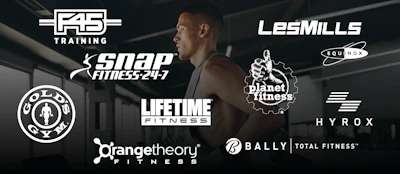
This is how Orange Theory leveraged heart rate training and real-time performance data before most brands even knew they existed. The company built its entire model around these concepts. It’s how HYROX went from 700 participants in 2017 to over 550,000 by 2025. F45 Training saw HYROX early and became an official global gym partner. The window was open for years, but only those paying attention won.
You don’t need to chase everything. You just need to be aware. Read industry publications such as Athletic Business. (You’re already here, so clearly you know what’s up.) Go to AB Show. Visit facilities that are doing something different. Talk to your members about what they want. Pay attention to what’s working, not just what’s getting hype.
Your turn: What trend have you had your eye on but dismissed too quickly?
Run every trend through a filter
Just because something is a legitimate trend doesn’t mean it belongs in your facility. Planet Fitness looked at dozens of trends and said no to most of them. Why? Because they have a filter — their brand. Anything intimidating gets cut. Tanning? Sure, that fit the vibe. Advanced programming that might scare beginners? No way.
Here’s the filter that works for anyone:
• Is there demand among members? Don’t guess what the answer might be. Ask. Survey your membership and pay attention to what people actually say they want, not what you think they should want. Life Time Fitness confirmed demand for pickleball before they built courts. They didn’t assume. They asked.
• Is there space, staff and infrastructure? Trends require resources. You need space, trained staff and the systems in place to support a particular trend. If you don’t have these things, the trend will fail even if it’s a perfect fit for your membership.
• Does it align with your mission, vision and values? GLP-1 medications are a real trend. Equinox responded with a training protocol. Life Time acquired clinics to prescribe directly. Same trend, but very different answers by companies based on who they are. Your corporate identity should guide which trends you pursue.
• Does the ROI make sense? Run the numbers. What will it cost to implement? How many members will it attract or retain? How much revenue will it generate? You don’t have to be perfectly knowledgeable about the math, but you at least need to know you’re not throwing money away.
Your turn: Take that trend you’re considering and run it through all four questions. What’s the verdict?
The rollout is half the battle
You can spot a trend perfectly and determine it’s right for your facility, but if you launch it poorly, it will fail. The rollout matters as much as the product.
Start with your staff. They need to understand what’s happening and why before members do, so train them. Get them excited. Make them believers.
Les Mills knows this. Every new format comes with global instructor training, launch campaigns, member preview events and 90-day participation tracking. The company doesn’t just drop something new and hope people figure it out.
Start small and test before you scale. Snap Fitness decided recovery was the trend to pursue, so it offered 90 days of free access to new recovery spaces and programming. The company built a purpose-designed area, not a corner of the floor. They gave it attention and intention, and club revenue increased 30%.
Launch with purpose. Barry’s Bootcamp offered the first class free, publicly recognized early members, and shared member stories on social media. The company turned its first customers into a marketing army before they even had a marketing budget. The launch was as engineered as the product.
Your early adopters are your champions, so acknowledge and celebrate them. Share their stories and make others want to join.
Your turn: Pick the trend you’re committing to. How will you launch it with purpose in the first 30 days?
What Comes Next?
I don’t know what’s coming in the next 50 years. Maybe AI-powered trainers that actually listen. Maybe robot spotters that actually know when to help. Maybe VR gyms where you can work out in outer space. More likely, it’s something nobody has even thought of yet. But here’s what I do know: operators who master the spot, filter and rollout processes will be ready for whatever comes. They’ll spot it early, evaluate it honestly, execute it intentionally, and they’ll grow while everyone else is still arguing about whether it’s a fad or a trend.
The fitness industry has come a long way in 50 years. We’ve survived fads, embraced trends, learned from failures and built businesses that matter to people’s lives. Happy 50th to Athletic Business. Here’s to the next 50 years of covering this industry, the operators who read both the magazine and the industry tea leaves, and the trends that will stick and shape what’s possible. The future is coming.
Your turn: Will you be ready for it?